A few years earlier, Dianne first met Jamie when he was struggling with persistent back pain. Despite trying several king-sized beds in search of a more comfortable night’s sleep, restful sleep remained difficult because of his ongoing discomfort.
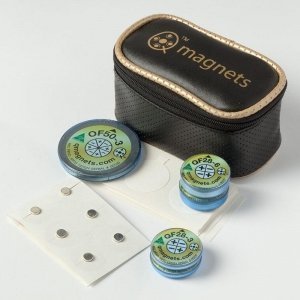
After assessing his situation, Dianne showed Jamie where to place two QF28-6 Q Magnets. Correct placement is an important part of using Q Magnets, as the goal is to position the magnets over the most appropriate anatomical area.
Following this simple application, Jamie reported that he was able to enjoy more peaceful sleep with much less back pain, using a straightforward and relatively inexpensive approach. As with any recovery strategy, individual experiences vary, but his story highlights how appropriate magnet placement may support comfort and recovery in some people.
Read our complete guide to magnetic therapy for pain conditions
Learn about medical magnets for low back pain
Jamie later shared his thoughts publicly on X (formerly Twitter):
Athletes place significant demands on their bodies throughout training and competition, making recovery an essential part of maintaining long-term performance. Jamie’s comments reflect his personal experience using Q Magnets as part of that recovery process following the challenges of back pain and sporting injuries.