Magnetic Therapy for Shoulder Pain: A Smarter Way to Think About Shoulder Recovery
Shoulder pain is rarely simple. It may appear during lifting, reaching, sleeping, sport, work, or everyday movement, but the underlying picture can involve the joint, tendons, muscles, neck, nervous system, or a combination of factors.
That is why magnetic therapy for shoulder pain should not be reduced to the idea of “putting a magnet where it hurts.”
At Q Magnets, shoulder recovery is viewed through a more precise framework: Field | Dose | Placement. The question is not simply whether magnets “work,” but whether the right field geometry, at the right dose, is positioned over the right anatomical region often enough to create a meaningful recovery-support environment.
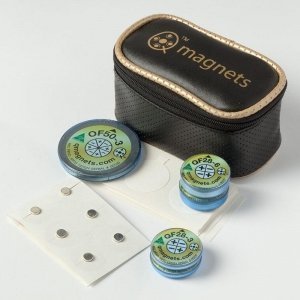
Q Magnets are not generic magnetic wraps or bracelets. They are precision multipolar medical magnets designed to create localized static magnetic field gradients. For shoulder discomfort, this matters because the shoulder is a complex, mobile, layered region where placement and field design can make a significant difference.
Why Shoulder Pain Is So Often Difficult to Resolve
The shoulder is one of the most mobile joints in the body. That mobility comes at a cost: stability depends heavily on muscles, tendons, ligaments, joint structures, and coordinated nervous system control.
Common contributors to shoulder discomfort may include:
- Rotator cuff irritation or overload
- Tendon-related discomfort
- Bursitis-like irritation
- Joint degeneration or osteoarthritis
- Frozen shoulder-type restriction
- Muscle strain or overuse
- Referred discomfort from the neck
- Postural loading from work or sport
- Protective muscle guarding after injury
Some shoulder pain may also be related to neurological or medical conditions. Sudden severe pain, weakness, trauma, loss of function, suspected dislocation, chest symptoms, stroke-related shoulder pain, or unexplained symptoms should be assessed by a qualified healthcare professional.
For many people, shoulder pain becomes frustrating because it affects almost everything: sleep, dressing, driving, exercise, work, and confidence using the arm.
Where Static Field Therapy Fits Into Shoulder Recovery
Static field therapy refers to the use of persistent magnetic field environments rather than pulsed electrical stimulation or heat-based treatment. Q Magnets create a localized field environment that can be worn passively while the person goes about daily life.
This does not mean magnets “force healing” or guarantee results. A more careful way to explain the Q Magnets approach is that localized static magnetic field gradients may support recovery physiology by interacting with sensitized tissues and nerve-related signaling in a targeted area.
In modern Q Magnets language, the shoulder application is best understood as:
precision field-based recovery support for a complex joint region.
This is different from generic magnetic products that rely on broad, poorly targeted placement and simple magnet strength claims.
Why Multipolar Medical Magnets Are Different From Generic Shoulder Magnets
Many shoulder magnets on the market are built into wraps, belts, straps, or flexible magnetic sheets. These products often place magnets broadly around the region without considering the exact joint space, tissue depth, or field geometry.
Q Magnets are designed differently.
They use engineered multipolar configurations, including quadrupolar and other polarity arrangements, to create more complex localized field gradients. In practical terms, this means the device is not just “a strong magnet.” It is a field design intended for targeted application.
For shoulder pain, that difference matters because the treatment area is not flat or simple. The front, top, and back of the shoulder each relate to different anatomical structures and different movement patterns.
The Field | Dose | Placement Framework for Shoulder Pain

If you’re ready for practical application, follow our Shoulder Pain Treatment Protocol for detailed magnet placement and product recommendations.
The Q Magnets approach is built around three variables: Field, Dose, and Placement.
Field: The Type of Magnetic Environment Matters
Field refers to the geometry and structure of the magnetic field. Q Magnets use multipolar designs that create localized gradients rather than a simple broad north-south field.
For shoulder recovery, field geometry is important because the shoulder region includes layered soft tissue, joint structures, tendons, and nerve-sensitive areas. A more localized field environment may be better suited to targeted use than a broad magnetic wrap.
Dose: Size, Depth, Duration, and Consistency Matter
Dose is not just magnet strength. It includes:
- Magnet size
- Field strength
- Tissue depth
- Exposure duration
- Consistency of use
- The cumulative exposure over time
A deeper or more complex shoulder presentation may require a different magnet selection than mild superficial discomfort. This is why Q Magnets protocols often distinguish between moderate and more severe presentations.
Placement: Anatomy Determines the Application
Placement is especially important for shoulder pain. The shoulder joint is not treated as a single vague location. Q Magnets placement guidance commonly focuses on the front, top, and back of the shoulder joint region, with additional placements considered for muscle tenderness or overuse patterns.
This is where the Shoulder Pain Treatment Protocol becomes important. The educational page should help readers understand the reasoning; the protocol should show the practical placement steps.
Shoulder Pain, Sensitized Nerves, and Neck-Related Considerations
Magnetic Therapy for Rotator Cuff and Overuse-Related Shoulder Discomfort
Many readers searching for magnetic therapy for shoulder pain are dealing with rotator cuff-type discomfort, gym-related irritation, repetitive work strain, or pain after sport.
Q Magnets may be considered as a non-drug recovery support tool in these situations, especially when the goal is to support comfort while maintaining normal movement and rehabilitation participation.
The key is not to treat Q Magnets as a replacement for appropriate care. Shoulder rehabilitation may still require load management, strength work, mobility restoration, posture changes, manual therapy, or medical guidance. Q Magnets can sit alongside these strategies as a wearable field-based support option.
Why Correct Placement Is More Important Than a Magnetic Shoulder Wrap
A magnetic shoulder wrap may seem convenient, but convenience does not guarantee anatomical accuracy.
Shoulder wraps often place magnets wherever the fabric happens to sit. That may not correspond to the front joint space, posterior joint region, top shoulder region, or tender muscle points.
Q Magnets protocols are more specific because the application is based on anatomical landmarks. This gives users and practitioners a more structured way to think about shoulder support.
A simple rule applies:
The more complex the joint, the more important placement becomes.
What Results Should People Realistically Expect?
Responses vary. Some people report noticeable comfort changes quickly. Others may need more time, better placement, different magnet sizing, or a broader recovery strategy. Some may not respond as hoped.
This variability is normal in recovery science. It may relate to:
- The underlying cause of the shoulder pain
- How long symptoms have been present
- Tissue depth
- Magnet size
- Placement accuracy
- Daily exposure time
- Activity load
- Neck involvement
- Individual nervous system sensitivity
Q Magnets should be presented as a recovery-support tool, not a guaranteed cure.
Evidence from a Case Series on Myofascial Shoulder Pain
A case series by Panagos et al. investigated the effects of static magnetic fields on myofascial shoulder pain in individuals with spinal cord injury (SCI), a population in which shoulder pain is often difficult to manage. Eight participants wore a commercially available 500-gauss static magnet over the affected shoulder for one hour. The study found significant reductions in several pain descriptors, including stabbing, sharp, and tender pain, as well as a decrease in overall pain intensity following treatment. Although changes in visual analog scale scores and pressure algometry were not statistically significant, the findings suggest that static magnetic fields may positively influence the sensory dimensions of shoulder pain. These results support the idea that magnetic therapy may provide temporary pain relief for certain individuals when applied appropriately. This aligns with the Q Magnets approach, which emphasizes that successful magnetic therapy depends not only on magnet strength but also on precise field design, correct anatomical placement, and appropriate treatment dose. Rather than viewing magnets as a standalone cure, this evidence supports their role as part of a broader recovery strategy alongside rehabilitation and clinical care. While the study was limited by its small sample size and short treatment duration, it contributes to the growing body of research exploring static magnetic fields as a non-invasive option for supporting shoulder pain management. Overall, the findings reinforce the importance of using precision magnetic therapy within a structured Field | Dose | Placement framework to help optimize recovery support.
Reference:
Panagos, A., et al. Treatment of myofascial shoulder pain in the spinal cord injured population using static magnetic fields: A case series. Spinal Cord Med. 2004.
How Q Magnets Fit Into a Shoulder Recovery Plan
Q Magnets may be used as part of a broader shoulder recovery approach that includes:
- Appropriate diagnosis where needed
- Activity modification
- Gradual strengthening
- Mobility work
- Sleep positioning changes
- Practitioner-guided rehabilitation
- Correct magnet placement
- Consistent use over time
For many users, the appeal is that Q Magnets are wearable, reusable, non-drug, and compatible with daily movement. They do not require active sessions, heat, electrical stimulation, or repeated clinic visits to create exposure.
When to Use the Shoulder Treatment Protocol
This article explains the educational framework behind magnetic therapy for shoulder pain. For practical application, users should follow the dedicated Q Magnets Shoulder Pain Treatment Protocol.
The protocol provides placement guidance for the front, top, and back of the shoulder region and helps users understand which Q Magnets may be appropriate depending on the presentation.
Use the protocol when you are ready to move from education to application.
Real Customer Experiences: Q Magnets Testimonials for Everyday Comfort and Recovery
Testimony from John Francois from Hawke’s Bay, New Zealand and how his acupuncturist, Tracy Rudzevecuis used Q Magnets to improve movement and help his tennis game.
Bill’s Journey Toward Better Shoulder Mobility with QF28-3 Magnets

Bill Dreyer’s testimonial shares his experience of using QF28-3 magnets to support shoulder mobility after dealing with pain and stiffness that affected his daily activities. After approximately 50 days of consistent use, he noticed a gradual reduction in movement-related discomfort along with improved flexibility and range of motion. Rather than expecting immediate results, Bill’s experience highlights the importance of patience and consistent application. His story emphasizes that small improvements can build over time, making everyday tasks easier and more comfortable. The article also discusses the role of proper magnet placement and consistent use as part of the Q Magnets approach. Feeling encouraged by his progress, Bill planned to continue using the magnets by adding another one to his routine. His experience demonstrates how wearable magnetic therapy can become part of a broader wellness strategy focused on supporting comfort, movement, and long-term recovery.
How Brod Found More Restful Nights and Greater Comfort After Shoulder Reconstruction

Brod Northwood shares how Q Magnets became an important part of his recovery years after undergoing shoulder reconstruction following a motorbike accident. According to his testimonial, using the magnets at night helped him sleep more comfortably and reduced his need for pain medication, while daytime use provided additional support when needed. The article highlights that recovery often extends well beyond surgery, with comfort, mobility, and quality sleep playing vital roles in overall wellbeing. Brod’s experience illustrates how magnetic therapy can be integrated into a daily wellness routine rather than being limited to occasional use. The article also explains the importance of proper field strength, dose, and placement to maximize the intended support provided by Q Magnets. While individual experiences vary, Brod’s story reflects how consistent use contributed to improved daily comfort and a better quality of life. It concludes by reminding readers that Q Magnets are intended to provide localized comfort and temporary relief of minor aches and pains as part of a holistic wellness approach, not as a medical treatment.
Conclusion: Shoulder Recovery Needs More Than a Generic Magnet
Shoulder pain is complex because the shoulder itself is complex. It is mobile, layered, nerve-sensitive, and closely connected to the neck, upper back, posture, sport, work, and sleep.
That is why Q Magnets approach shoulder pain through a more precise framework: Field | Dose | Placement.
Rather than asking whether “a magnet” works, the better question is whether a precision multipolar medical magnet can be placed correctly, worn consistently, and used as part of a broader recovery strategy.
For readers ready to apply the method, the next step is to review the Q Magnets Shoulder Pain Treatment Protocol and learn the recommended placement approach.