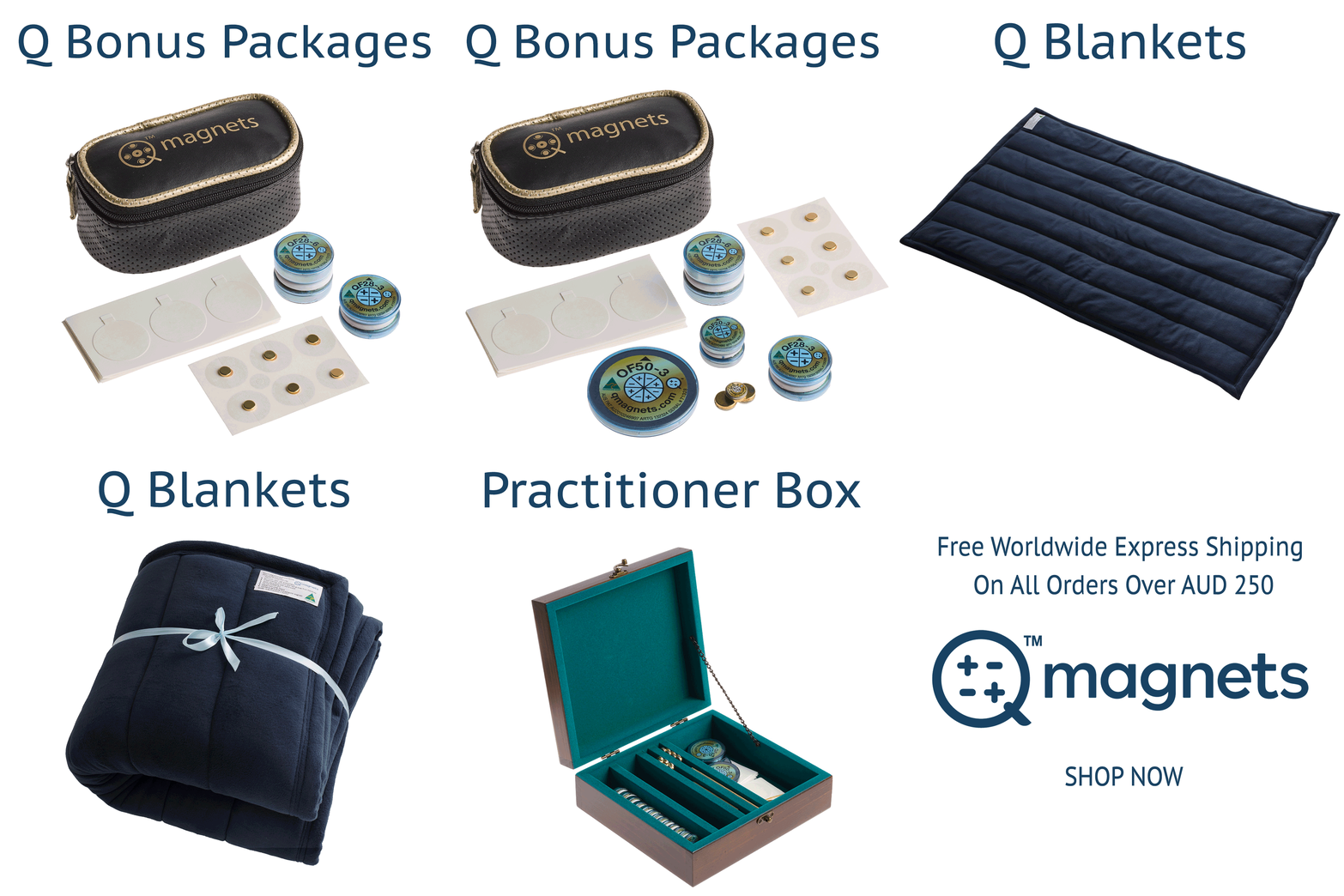
For Sharlene, medication was not her preferred option. She says she has experienced adverse or allergic reactions to many medications over the years, so she looked to a familiar part of her own wellness routine: a small Q Magnets magnetic blanket she calls “Shorty.”
Read our complete guide to magnetic therapy for pain conditions

A Painful Accident and a Familiar Recovery Routine
That first night, Sharlene folded the magnetic blanket in half and positioned herself so the injured ribs rested directly over the folded section. During the day, she also applied castor oil over the injured area before using the blanket again.
These choices reflect Sharlene’s personal experience and preferences, not a general treatment recommendation for rib fractures. Her focus was on finding a comfortable routine while resting and allowing the natural healing process to take place.
Finding Greater Comfort at Night
For Sharlene, one of the most noticeable parts of the experience was how comfortable she felt while resting. Rib injuries can make it difficult to find a position that feels manageable, particularly when lying down, moving or changing position.
She recalls being more comfortable through the night than she had expected and experiencing less soreness and bruising than she anticipated. In her account, being able to position the blanket directly beneath the injured area became an important part of her recovery routine.
Returning to Everyday Activity
Sharlene also recognised that broken ribs need time to heal, particularly as people get older. Even so, she was pleased with her own progress. Within about a week, she says she had returned to work and was able to bend and stretch with minimal difficulty.
The experience strengthened her existing confidence in Q Magnets products. She later purchased medium and large magnetic blankets for her own use and to make available to clients in her practice.
Why Placement Stands Out in Sharlene’s Story
A useful detail in Sharlene’s account is the way she deliberately positioned the folded blanket beneath the injured ribs rather than simply using it anywhere on the body.
This is consistent with the Q Magnets Field | Dose | Placement approach. Field refers to the characteristics of the magnetic field. Dose includes factors such as exposure duration and the relationship between the field and tissue depth. Placement considers where the magnetic field is positioned in relation to the area of interest.
The principle is important because static field therapy is not simply a question of using a magnet. The field environment, exposure and anatomical placement all matter when considering how a magnetic product is used.
A Personal Story About Comfort and Confidence
Sharlene’s experience is ultimately a personal story about how she managed comfort while her body recovered from a serious fall. She used a product she already knew, positioned it carefully, remained consistent with her routine and gave her ribs time to heal.
She attributes a great deal of her experience to Q Magnets and also values the research and educational information provided alongside the products. Her account should be understood for what it is: an individual customer experience that may help others think more carefully about comfort, placement and supportive recovery strategies.
Anyone with suspected broken ribs or significant chest trauma should seek appropriate medical assessment. Q Magnets and other supportive approaches are not a replacement for diagnosis, monitoring or treatment recommended by a healthcare professional.