Benjamin Bailey - I love my sport
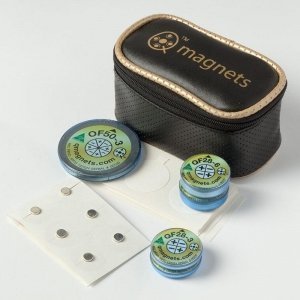
After suffering from an injury that is known as Osgood-Schlatter’s disease in my knee from a teenager I had a rare occurrence of the injury coming back 7 years later whilst playing soccer. The pain was fierce and left me barely able to walk up stairs without immense pain. I persevered with just resting and icing my knee for 3 weeks but after only feeling small, if any, signs of healing I went to see my physiotherapist who prescribed me to use the Q-Magnet.
After wearing the magnet for only a week I starting to feel increased pain reduction and became increasingly more mobile. After 3 weeks wearing the Q-Magnet I had recovered 100% and was back playing competitive soccer, a result that I could not have hoped for before wearing the Q-Magnet. Even if you don’t understand the science or are sceptical on the concept, give it a go! I only had my pain to lose.
Benjamin Bailey – Brisbane