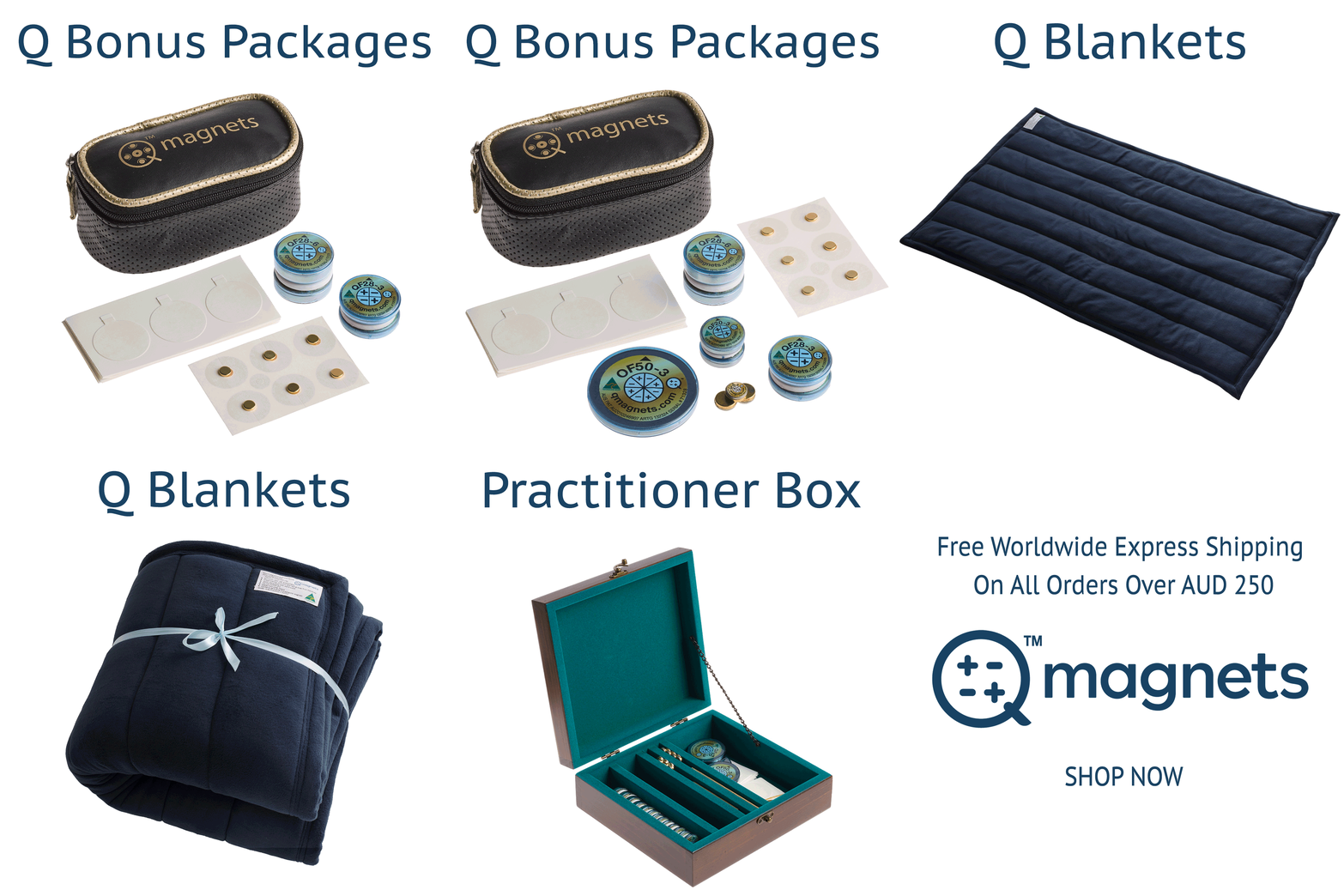
Magnetic therapy is a non-invasive approach that uses static therapeutic magnets applied to specific areas of the body. Q Magnets are designed to produce a mixed magnetic flux field over a superficial body site and may provide comfort or localized temporary relief of minor aches and pains when applied correctly.
Many people exploring magnetic therapy benefits want to understand how Q Magnets are used, how placement works, and how to choose the right device. This page gives an overview based on approved Q Magnets guidance.

What Is Magnetic Therapy?
Magnetic therapy involves placing static magnets over targeted areas such as joints, muscles, trigger points, or nerve pathways.
Q Magnets are multipolar magnetic devices designed for accurate placement over a superficial body site. They are typically applied directly to the skin using adhesive tape, stickers, or suitable supports so the magnetic field can be positioned as precisely as possible.
Some people choose to use Q Magnets as a complementary, non-invasive, drug-free option within a broader pain-management or recovery routine.
Q Magnets are not intended to replace medical care.
How Do Q Magnets Work?
Q Magnets are designed to produce a mixed magnetic flux field over a superficial body site. Their multipolar configuration is intended to create steep magnetic field gradients, and correct field shape, dose, and placement are considered important when using them effectively.
Unlike powered devices, Q Magnets are static magnets and do not require batteries or electrical input.
Learn more here:
How Q Magnets Work |
Magnetic Field Gradients
Why Placement Matters
Placement is one of the most important parts of using Q Magnets. Approved Q Magnets guidance explains that devices are commonly positioned over nerves, joints, trigger points, or areas of injury using anatomical principles developed from clinical experience in physiotherapy, neurology, and acupuncture-based application.
Choosing the correct position helps the magnetic field reach the intended tissue area. Larger devices are generally used for deeper or larger body areas, while smaller devices are more suited to smaller joints, trigger points, and acupuncture points.
For practical placement guidance, visit:
How to Use Q Magnets
How to Choose the Right Q Magnet
Q Magnets come in multiple sizes and field configurations. Device choice depends on the body area, the depth of the target tissue, and the intended placement.
- Smaller devices are generally used for smaller joints, trigger points, and acupuncture points
- Medium devices are commonly used for areas such as the elbow or ankle
- Larger devices are generally used for larger joints and broader body areas such as the shoulder, hip, knee, or lower back
See:
Q Magnets Products |
Device Selection Guide
How Q Magnets Are Commonly Used
Some users choose Q Magnets to support:
- minor muscle soreness and stiffness
- joint discomfort
- general mobility support
- recovery after physical activity
- sustaining the effects of acupuncture between sessions
Individual experiences vary.
Magnetic Therapy Benefits in Everyday Use

People interested in magnetic therapy benefits are often looking for a practical option they can use consistently. Q Magnets are static, reusable, and non-powered, which means they can be worn without charging or electrical input.
Users may apply them during rest, after activity, or over specific body areas as part of a broader routine focused on comfort, movement, and recovery support.
How to Use Q Magnets Effectively
Approved Q Magnets guidance generally recommends the following basics:
- identify the area requiring support
- choose the appropriate device size for that body area
- place the magnet carefully over the intended site
- apply it directly to the skin where possible for better placement accuracy
- secure it with tape, adhesive, or an appropriate support
For full guidance, visit:
How to Use Q Magnets
Related Q Magnets Information
- Magnetic Therapy
- How Q Magnets Work
- Magnetic Field Gradients
- How to Use Q Magnets
- Q Magnets Products
- Magnetic Therapy Contraindications
People Also Ask
How do I know which Q Magnet to use?
The most appropriate Q Magnet depends on the body area, target tissue depth, and placement. Smaller devices are generally suited to smaller structures and trigger points, while larger devices are more suitable for larger joints and deeper target areas.
How do I apply the Q Magnet device?
Q Magnets are typically applied directly to the skin using adhesive tape, stickers, or suitable supports so placement can be kept accurate over the intended site.
Why is placement important with Q Magnets?
Placement is considered critical because the magnetic field needs to be positioned over the intended tissue area. Recommended placements are based on anatomical guidance and may require some trial and error.
Are there any side effects?
If a user is unsure whether Q Magnets are suitable for them, they should review the approved warnings and contraindications and consult their healthcare professional where appropriate.
Can Q Magnets replace medical treatment?
No. Q Magnets are intended as a complementary, non-invasive option and are not a substitute for professional medical care.
Why Choose Q Magnets?
Q Magnets are designed around three practical considerations: field design, device selection, and placement accuracy. For people researching magnetic therapy benefits, Q Magnets offer a structured, non-invasive approach that can be used within a broader pain-management or recovery routine.
Explore How Q Magnets Are Used
Discover Q Magnets and learn how they are commonly used as part of a practical, non-invasive approach to comfort, mobility, and recovery support.