Knee, Hip and Lower Back Pain Was Interrupting Daily Life
At 72, Candace was accustomed to staying active with a daily walk and workout. Pain affecting her right knee, hip and lower back was beginning to interfere with that routine and was also disrupting her sleep.
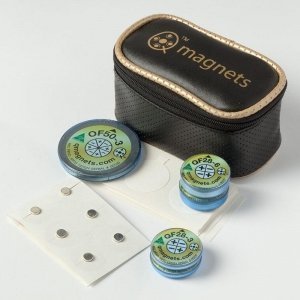
Rather than using several Q Magnets at once, Candace began with a single QF28-3 precision multipolar medical magnet. Over the following two weeks, she moved the same magnet between the areas that were bothering her.

How Candace Used Her Q Magnet
Candace reported using the QF28-3 every day for two weeks, moving it between her right knee, hip and lower back.
Her routine was straightforward:
- Q Magnet used: QF28-3
- Areas: right knee, hip and lower back
- Typical wear time: approximately six hours per placement
- Frequency: daily
- Period reported: two weeks
This is a useful example of why placement matters when using localized static magnetic fields. Candace was not treating the knee, hip and lower back as one general area. She repositioned the magnet according to where she was experiencing soreness.
What Did Candace Notice?
The first change Candace reported was in her right knee.
When asked how long it took before she noticed an effect, she said:
After two weeks of daily use, however, the outcome she highlighted most strongly was sleep.
When asked what she liked most about using Q Magnets and what difference they had made to her quality of life, Candace’s answer was simple:
Her experience was positive enough that she decided to expand beyond the single QF28-3 she had been moving between locations:
She also said she would recommend Q Magnets to friends and family.
One Magnet, Three Areas, Two Weeks
What makes Candace’s story useful is its simplicity. She began with one Q Magnet, used it consistently and observed her response over two weeks.
Her experience also illustrates an important practical consideration for people dealing with discomfort across several body regions. The appropriate Field | Dose | Placement can differ according to the anatomical area being targeted. A single magnet moved between locations may be practical for some users, while others may prefer multiple magnets or a set designed to provide greater placement flexibility.
Read our complete guide to magnetic therapy for pain conditions
Candace’s experience is her individual account and should not be interpreted as a prediction of how another person will respond. Persistent, severe or unexplained knee, hip or lower back symptoms should be appropriately assessed by a healthcare professional.