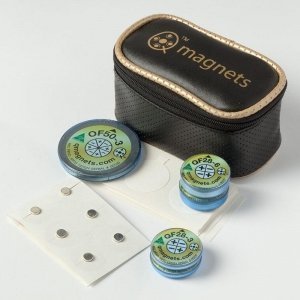
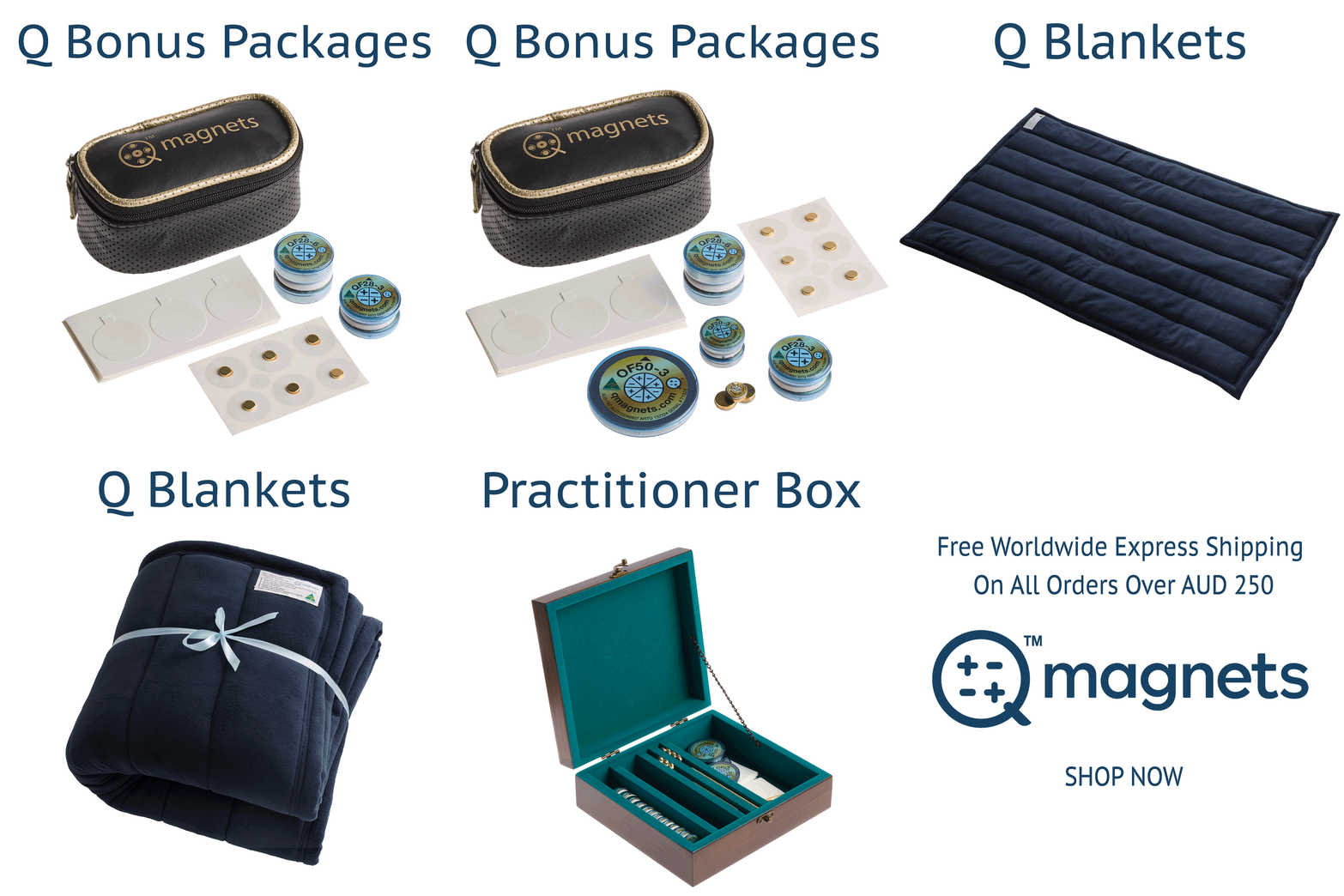
Looking for additional wellness support alongside her recovery, Mona decided to incorporate Q Magnets into her daily routine. What followed was a personal experience that helped her feel more comfortable moving through daily life while continuing to focus on getting stronger.

Read our complete guide to magnetic therapy for pain conditions
Looking Beyond Surgery for Additional Support
Finding a Personalised Approach
One aspect of Mona’s experience that stands out is how she adapted her magnet selection for different areas of her body.
According to her testimony:
- Smaller Q Magnets were used around her neck.
- QF28-3 magnets were placed over her shoulders.
- Larger QF50-3 magnets were applied across her back.
This reflects an important principle within the Q Magnets approach. Different magnet sizes produce different localized static magnetic field environments and field gradients, making them suitable for different parts of the body. Selecting the appropriate magnet and placement forms part of the overall Field | Dose | Placement strategy.
Learn about medical magnets for low back pain
Supporting Movement During Recovery
For Mona, the value of using Q Magnets extended beyond the immediate sensations she experienced after application.
She shared that the additional comfort they provided allowed her to move more freely and continue focusing on rebuilding strength throughout her recovery.
For many people recovering from surgery or managing long-term musculoskeletal challenges, the goal is not necessarily to find a single solution. Instead, it is about combining different supportive strategies that make daily movement more manageable and help maintain participation in rehabilitation, exercise, and normal activities.
Mona’s experience illustrates how Q Magnets became one component of her broader recovery routine, providing additional support as she continued progressing toward greater comfort and mobility.