When Simple Tasks Become Difficult
Trigger finger affects more than just a thumb joint.
When movement becomes restricted and painful, everyday activities can feel more complicated. Gripping objects, using the hand naturally, and performing routine tasks can become constant reminders that something is wrong.
For SP, the ongoing pain and locking sensation had become part of daily life. She had already experimented with numerous approaches, including anti-inflammatory medications, therapeutic creams, CBD products, turmeric supplements, hot wax treatments, Epsom salt baths, red light therapy, pulsed electrical therapy, and acupuncture.
Despite this extensive effort, she continued searching for something that could support her recovery journey.
A Different Approach with Magnetic Therapy
SP decided to try Q Magnets using a carefully considered Field | Dose | Placement approach.
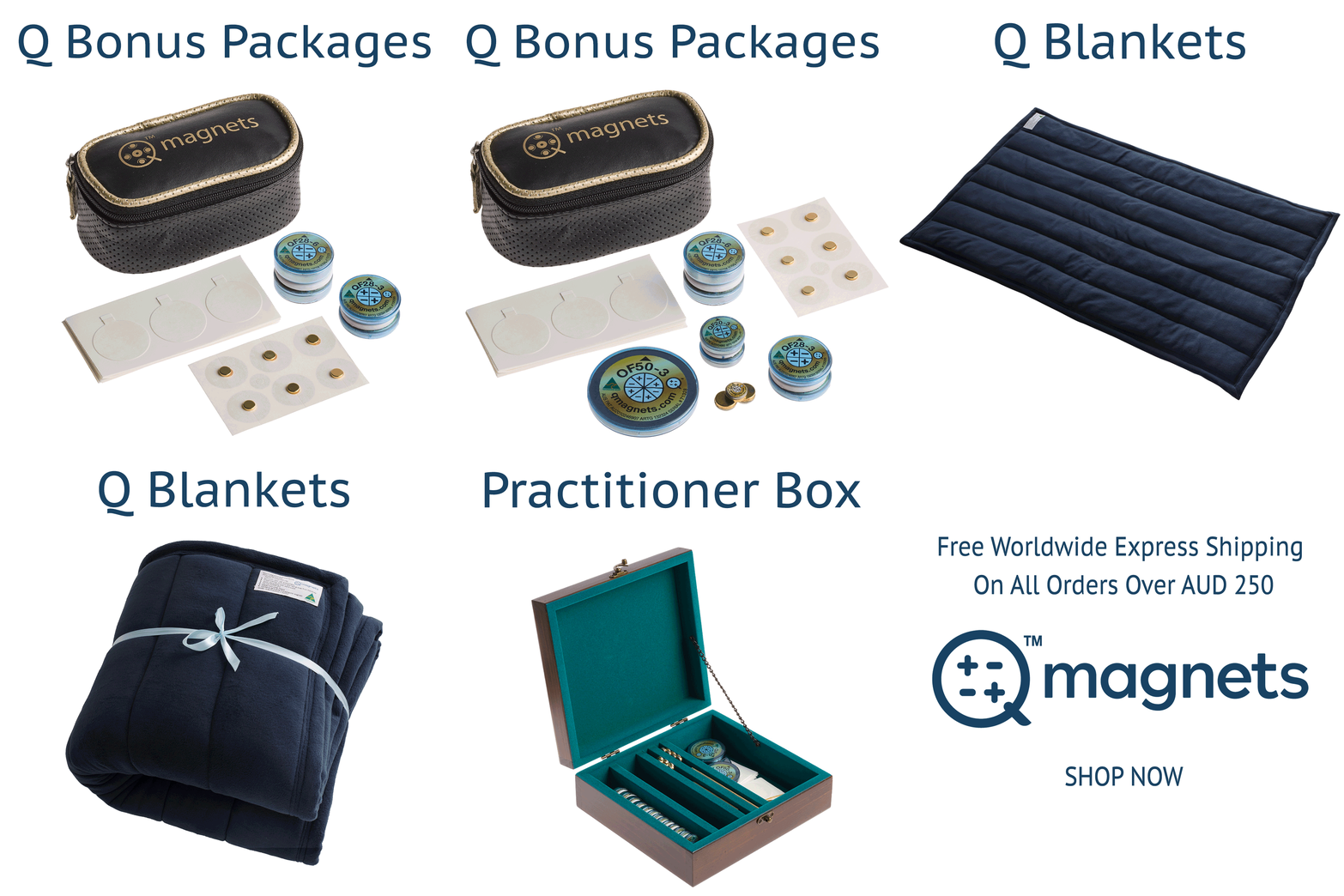
Her setup included QF28-3, QF15-2, and OF50-3 magnets strategically positioned around the affected thumb joints. This placement strategy focused on creating localized exposure using the magnetic field gradients generated by Q Magnets’ multipolar magnetic design. The importance of field geometry, magnetic field gradients, exposure duration, and anatomical placement is a core principle within Q Magnets’ Field | Dose | Placement framework.
What surprised SP most was how quickly she noticed a change.
According to her testimony, positive effects began within the first day, becoming noticeable approximately three to six hours after application.
Small Improvements That Built Momentum
Over the following month, SP continued using the magnets for just 20 to 60 minutes each evening.
Gradually, meaningful changes emerged.
She reported that her pain levels decreased from 8/10 to approximately 1/10. Inflammation reduced significantly, and perhaps most importantly, her thumb began moving on its own again without requiring assistance from her other hand.
Residual stiffness remained, but the difference compared to where she started was substantial.
The return of movement brought something equally valuable: confidence.
When pain decreases and movement becomes easier, people often feel more comfortable using the affected area again. This can support participation in normal daily activities and encourage a greater sense of independence.
The “Healing Loop” SP Experienced
One of the most insightful parts of SP’s story is how she described what happened next.
She observed what she called a “healing loop.”
In her words, reduced inflammation made it easier to use her thumb normally. Increased use led to greater strength and circulation through normal activity. That, in turn, appeared to support further reductions in discomfort and improved flexibility.
Rather than a single dramatic change, SP experienced a gradual cycle of improvement that built on itself over time.
This perspective reflects a systems-based view of recovery that aligns with modern discussions around recovery support, nervous system regulation, and functional movement. Q Magnets are positioned as precision multipolar medical magnets that create localized static field environments through engineered magnetic field gradients rather than simply relying on magnet strength alone.
Effortless Support That Fit Into Daily Life
Beyond the physical improvements, SP appreciated something surprisingly simple: convenience.
She didn’t need to schedule appointments or carve out extra time in her day.
As she explained:
“They are simple to use. I like that I can use them while sitting on the couch, watching TV without thinking about having to do anything.”
That ease of use became an important part of her experience.
For many people exploring magnetic therapy, comfort and consistency matter. Recovery support tools that fit naturally into daily life are often easier to use regularly, which may help support long-term wellness routines.
A Story of Progress, Not Perfection
SP’s story is not about overnight miracles.
It is a story about persistence, experimentation, and discovering an approach that fit her needs after many other options had fallen short.
Today, she reports dramatically reduced pain, improved thumb mobility, less inflammation, and a greater ability to use her hand comfortably throughout the day.
For SP, that meant something powerful: getting back to using her thumb naturally again and enjoying everyday life with far less interruption.
For those interested in magnetic therapy, static field therapy, recovery support, wellness technology, and the role of magnetic field gradients in recovery optimization, SP’s experience offers a thoughtful example of how the right Field | Dose | Placement strategy may contribute to meaningful improvements in comfort, function, and quality of life.