Charlotte’s Search for Relief
Before discovering Q Magnets, Charlotte described her knee discomfort as being around an 8 out of 10 due to osteoarthritis. The pain had become a significant part of her everyday experience, affecting both comfort and confidence in movement.
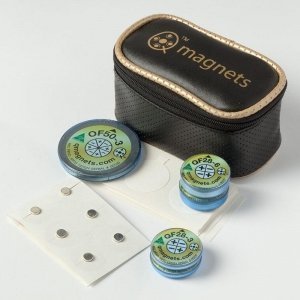
Like many people exploring natural recovery solutions and wellness support options, Charlotte was looking for something that could fit easily into her routine. When her Q Magnets arrived, she followed the recommended field dose placement instructions and positioned the magnets directly on her knee.
That simple decision marked the beginning of a surprising experience.
A Noticeable Change Overnight
According to Charlotte, she applied the magnets to her knee the same night they arrived.
By the following morning, she reported that the pain was “gone pretty much overnight.”
While Charlotte noted that some weakness remained in the knee, the reduction in discomfort brought a sense of relief and gratitude that is clearly reflected in her words.
For many people, improved comfort can influence far more than a single symptom. When discomfort eases, everyday movements may feel less stressful, daily routines become easier to manage, and overall wellbeing can improve.
Charlotte’s experience highlights how magnetic therapy products are often incorporated into broader wellness and recovery support strategies focused on comfort, mobility, and quality of life.
Why Placement Matters
One aspect of Charlotte’s story that stands out is that she used the magnets exactly as instructed.
Within the Q Magnets approach, proper Field | Dose | Placement (FDP) is considered an important part of the user experience. Rather than focusing solely on magnet strength, the emphasis is placed on appropriate placement, exposure duration, and the magnetic field gradients created by the precision multipolar medical magnet design.
Q Magnets are designed to create localized static field environments and magnetic field gradients that may support recovery-oriented applications when applied correctly. This systems-based approach is a key distinction within modern static field therapy and magnetic therapy discussions.
Charlotte’s experience serves as a practical example of how following placement recommendations can be an important part of the overall process.
More Than the Product
What also stands out in Charlotte’s testimonial is her appreciation for the support she received throughout the process.
She specifically mentioned the quick responses, helpful information, and customer service she experienced while learning how to use the product.
Feeling supported during a wellness journey can be just as valuable as the tools themselves. Having access to guidance, education, and clear instructions often helps people feel more confident as they explore new approaches to recovery support, relaxation, and holistic wellness.
Sharing Her Experience
Charlotte’s enthusiasm is evident throughout her review. After experiencing meaningful improvement in comfort, she felt compelled to share her story with others.
Her testimonial reflects not only relief from persistent knee discomfort but also the emotional reassurance that can come from finding a wellness technology that feels easy to use and aligned with everyday life.
For Charlotte, the combination of comfort, improved daily mobility, clear field dose placement guidance, and responsive customer support created an experience she felt was worth talking about.
A Personal Wellness Journey
Every individual experience is unique, and outcomes can vary based on factors such as anatomy, condition history, field dose placement, and duration of use. However, Charlotte Thierman’s story offers an authentic glimpse into how magnetic therapy, static field therapy, and precision-engineered magnetic field gradients became part of her personal wellness journey.
For those exploring recovery support, comfort-focused wellness technologies, and non-pharmaceutical approaches to everyday wellbeing, Charlotte’s experience provides a thoughtful example of what one customer discovered after giving Q Magnets a try.
Interested in learning more? If you’d like to explore the broader evidence behind magnetic therapy for knee pain, learn how to apply Q Magnets for knee pain, understand the Field, Dose and Placement (FDP) framework, discover why magnetic field gradients matter, or read more about how Q Magnets work, the following resources provide a deeper explanation.
- Learn more about magnetic therapy for knee pain
- Our guide to magnetic therapy for knee pain
- Field, Dose and Placement
- Magnetic field gradients
- How Q Magnets work