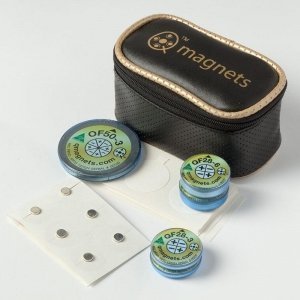
Q Magnets featured in the Bayside Bulletin Health & Wellbeing section, 28 June 2011. Original article used with permission.
Why This Media Feature Matters
In 2011, the Bayside Bulletin featured Q Magnets in an article about magnetic therapy for chronic pain, highlighting early user experiences with quadrupolar magnets and practitioner-guided application. For readers exploring Chronic Pain Treatment with Magnetic Therapy or wanting to understand How Q Magnets Work, this media feature provides historical context for how Q Magnets began gaining public attention in Australia. The original headline, “New Device Stops Severe Pain,” reflected the newspaper’s wording at the time. Today, we describe magnetic therapy more carefully: Q Magnets may help some people manage pain when the correct magnet design, size and placement are matched to the painful area.
The Problem: Chronic Pain Can Be Difficult to Manage
Chronic pain is often complex. Some people experience pain after injury, surgery, joint irritation, nerve sensitivity, fibromyalgia, headaches, back pain or ongoing musculoskeletal conditions. When pain persists, people often look for options that may sit alongside their existing care, such as physiotherapy, medical treatment, exercise, medication, manual therapy or self-management strategies.
The Bayside Bulletin article focused on people looking for another approach when conventional options had not fully resolved their symptoms. This is where Q Magnets were discussed as a non-invasive option that may support pain management in selected cases.
The Mechanism: Why Magnet Design and Placement Matter
Q Magnets are designed differently from ordinary single-pole or bipolar magnets. Their field pattern is based on a multipolar design, creating magnetic field gradients at the surface of the magnet.
In simple terms, Q Magnets are intended to be placed directly over specific painful or sensitised areas. The aim is not to “cure” pain, but to apply a structured magnetic field to a targeted region where pain signals may be influenced.
This is why Q Magnets are best understood through the Field | Dose | Placement framework:
Field: the magnetic field pattern and gradient design of the magnet.
Dose: the size and strength of the magnet selected for the depth and size of the painful area.
Placement: the exact location of the magnet over the target tissue or pain point.
For more background, link this section to Magnetic Field Gradients and Scientific Evidence for Magnetic Field Therapy.
The Application: How Q Magnets Were Used in the Article
The Bayside Bulletin feature described Q Magnets being used in a practitioner-guided setting, including examples involving chronic pain and fibromyalgia-type symptoms.
Q Magnets are not used randomly. They are generally placed over a specific pain site, trigger point, joint line, nerve pathway or sensitised area. The most appropriate magnet depends on the location, depth and nature of the pain.
That is why people new to Q Magnets should start with How to Use Q Magnets and review any relevant safety guidance before applying magnets for the first time.
Observations from the Bayside Bulletin Article
The newspaper article included individual user experiences, including people who reported changes in pain after using Q Magnets. These reports should be understood as anecdotal observations, not clinical proof.
Anecdotal reports can be useful because they show patterns worth exploring. However, pain is variable, and outcomes may differ depending on the person, condition, magnet selection, placement accuracy and whether other treatments are being used at the same time.
The article also reflected an early stage in Q Magnets’ public history, before the current emphasis on structured use, research interpretation and the Field | Dose | Placement framework.
Limitations: What This Article Does Not Prove
The Bayside Bulletin article is valuable as a media feature, but it should not be treated as clinical evidence by itself.
The article does not prove that Q Magnets will work for every person or every type of pain. It does not replace medical advice, diagnosis or treatment. Severe, worsening, unexplained or persistent pain should be assessed by a qualified health professional.
Q Magnets may be more suitable for some pain patterns than others, and placement accuracy can make a significant difference. People with implanted electronic medical devices, pregnancy considerations, or specific medical concerns should review Contraindications before using therapeutic magnets.
Next Steps: Learn How Q Magnets May Fit Into Pain Management
This Bayside Bulletin feature remains part of the Q Magnets story because it shows how early users and practitioners were exploring magnetic therapy for chronic pain.
To learn more, start with:
- Why Magnet Design Matters
- Magnetic Therapy
- How Q Magnets Work
- Does Magnetic Therapy Work?
- Device Selection – Which magnet to use?
If you are new to Q Magnets, the best next step is to learn how magnet design, size and placement affect results. For complex or long-term pain, practitioner guidance may be helpful.