Many people searching for magnetic field therapy for knee replacement are not necessarily looking to avoid medical advice or ignore surgery recommendations. They are often looking for ways to stay active, manage discomfort, and maintain quality of life while exploring their options.For those researching non-invasive approaches, Q Magnets are often used as part of a broader recovery and pain management strategy. If you are new to Q Magnets, see our guides on how to use Q Magnets and Q Magnets for knee pain to better understand application principles and placement strategies.

When Knee Pain Starts Affecting Daily Life

Chronic knee pain can gradually reduce mobility, confidence, and participation in everyday activities.

For some people, knee degeneration, previous injuries, or osteoarthritis may eventually lead to discussions about total knee replacement surgery. While surgery may be the right decision for some individuals, others look for ways to remain comfortable and functional for as long as possible before proceeding.

David Knox’s Background and Knee Journey

View Insight

How Q Magnets Are Commonly Used for Chronic Knee Pain

Q Magnets are not intended as a replacement for medical care. Instead, they are commonly used as a conservative support strategy by people seeking additional options for pain management and recovery support.

A key principle within the Q Magnets system is:

Field | Dose | Placement

Field

The magnetic field geometry matters. Q Magnets use engineered multipolar configurations designed to create localized field gradients.

Dose

Exposure duration, tissue depth, and cumulative wear time may influence outcomes. Some users wear Q Magnets for extended periods as part of daily life.

Placement

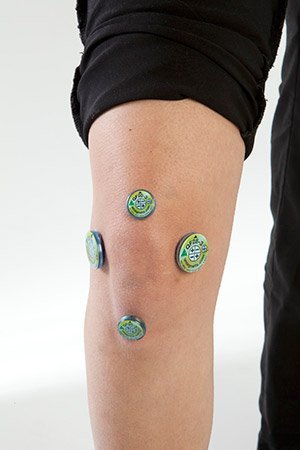
Placement is critical. For knee conditions, larger Q Magnets are commonly positioned over the knee joint and related structures based on the individual’s presentation and anatomy.

Practical Takeaway

If you are considering magnetic field therapy for knee pain, focus on more than magnet strength alone. Field design, duration of wear, and accurate placement over the target area are often considered important variables within the Q Magnets Field | Dose | Placement framework.

David Knox’s Experience with Knee Replacement Recommendations

David Knox had already undergone multiple knee operations and had been advised to consider two total knee replacements.

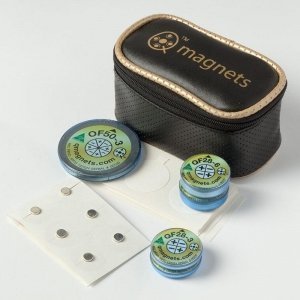
After reading an article in the Courier Mail, David sought advice regarding the use of two QF28-3 Q Magnets. According to the original testimonial, he experienced significant improvements in both comfort and function and ultimately postponed the recommended surgery.

The original report states:

“My knees have improved incredibly by using Q Magnets.”

Q Magnets for knee pain

Q Magnets for knee pain

Why Results Can Vary from Person to Person

View Insight

Q Magnets may provide a low-risk, non-pharmaceutical option that some individuals use to support comfort, mobility, and day-to-day function while considering their long-term treatment pathway. As always, persistent, worsening, or severe symptoms should be assessed by an appropriately qualified healthcare practitioner.

“My knees have improved incredibly by using Q Magnets.”

Practical Takeaway

When using Q Magnets for chronic knee pain, remember the Field | Dose | Placement framework. Proper magnet selection, sufficient wear time, and accurate placement are often considered more important than simply choosing the strongest magnet available.